How a lock can prevent user from accidental deletion of a resource.
In some cases you want to protect critical resources from accidental deletion. Some examples are a storage account with source data for processing, a Key Vault with disk encryption keys, or another key component in your infrastructure. When losing some resources that are key in your infrastructure, recovery can be dramatic. Resource Manager locks will enable you to protect these critical resources from deletion.
Resource Manager locks
Resource Manager locks apply to the management function of the locked resources. The locks do not have any impact the normal functions of the resource. You have two possible types of locks on a resource:
Locking down a resource can save your contributors from accidently delete a critical resources. An ‘oeps… I deleted the wrong resources’ moment should be a thing of the past.
CannotDelete means authorized users can still read and modify a resource, but they can’t delete the resource.
ReadOnly means authorized users can read a resource, but they can’t delete or update the resource. Applying this lock is similar to restricting all authorized users to the permissions granted by the Reader role.
Continue reading “Lock Azure resources to prevent accidental deletion”

 Last week we had an incident in which we had deleted the wrong secret from our Azure Key Vault. After some research we found that it could have been recovered if we had used the Soft-delete in Key Vault. However, we did not know about this option and could not recover the item.
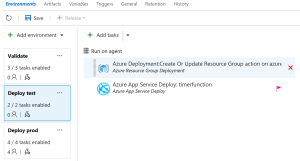 From an deployment perspective an Azure Function contains of two parts:
 { Think Rethink }